My Projects
Select multiple filters to narrow down the projects and explore the technologies I've used.
Showing 12 of 12 projects
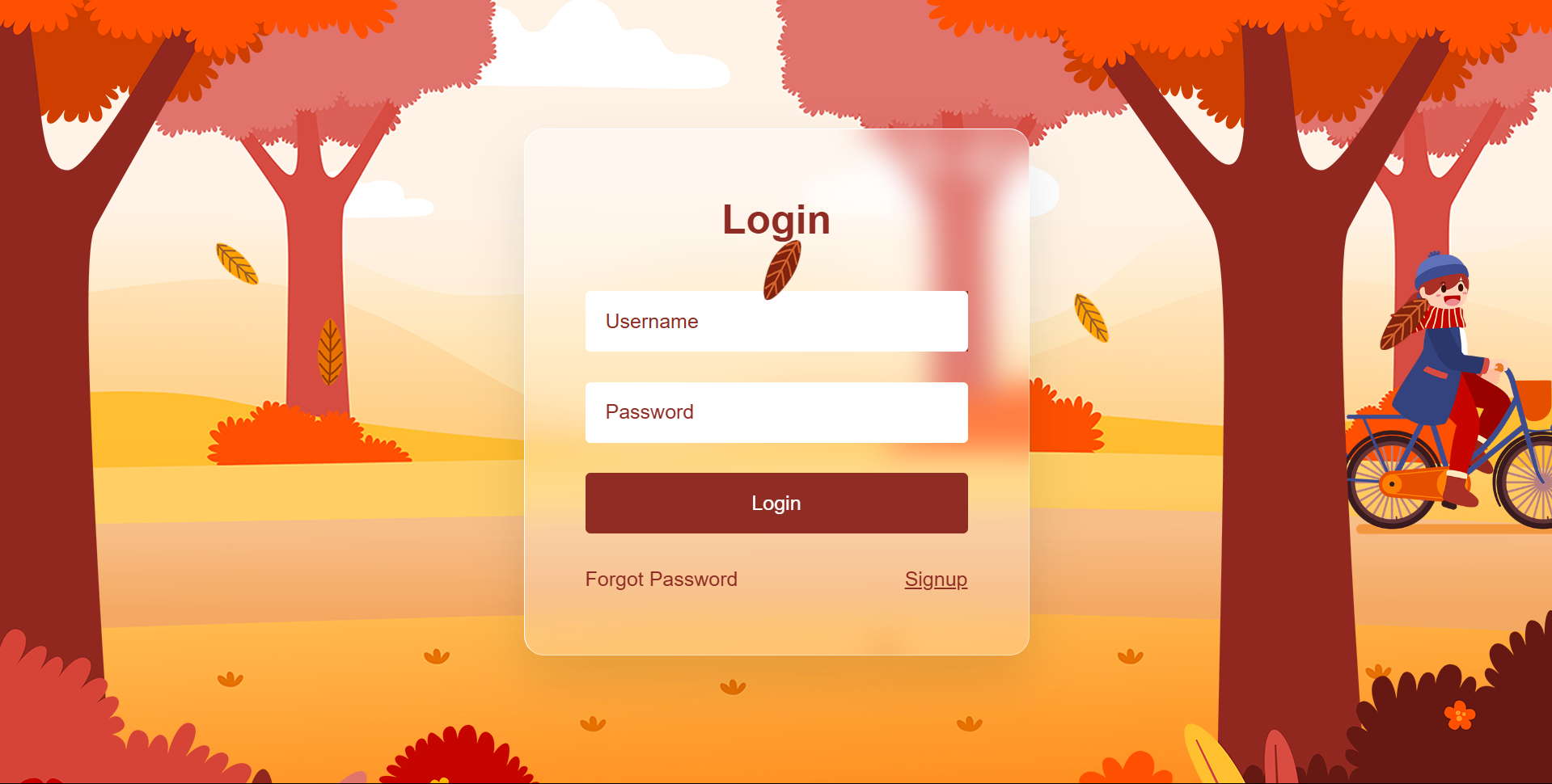
StormAuth
A centralized authentication and authorization system using FastAPI with SJWT, encryption, and role-based access control (RBAC).
Why I built it
I needed a secure, scalable internal auth system for my ecosystem of projects without relying on external dependencies like Firebase or Auth0.
What I learned
Mastered secure API patterns, implemented custom encryption alongside standard algorithms, and designed a flexible RBAC system from scratch.
Outcome
A unified authentication layer that secures all my services and significantly cuts down integration time for new projects.
Storm Bot
An intelligent chatbot integrated into my portfolio, trained to answer queries about me and my projects.
Why I built it
To provide an interactive and instant way for visitors to get information, and to build a resilient system that works even when the local LLM is offline.
What I learned
Engineered a dual-mode system with real-time presence detection. If my local PC is online, the bot chats live via an LLM; if offline, it captures queries via email for asynchronous response.
Outcome
A 24/7 assistant on my portfolio that ensures no user query is ever missed, showcasing complex system design and AI integration.
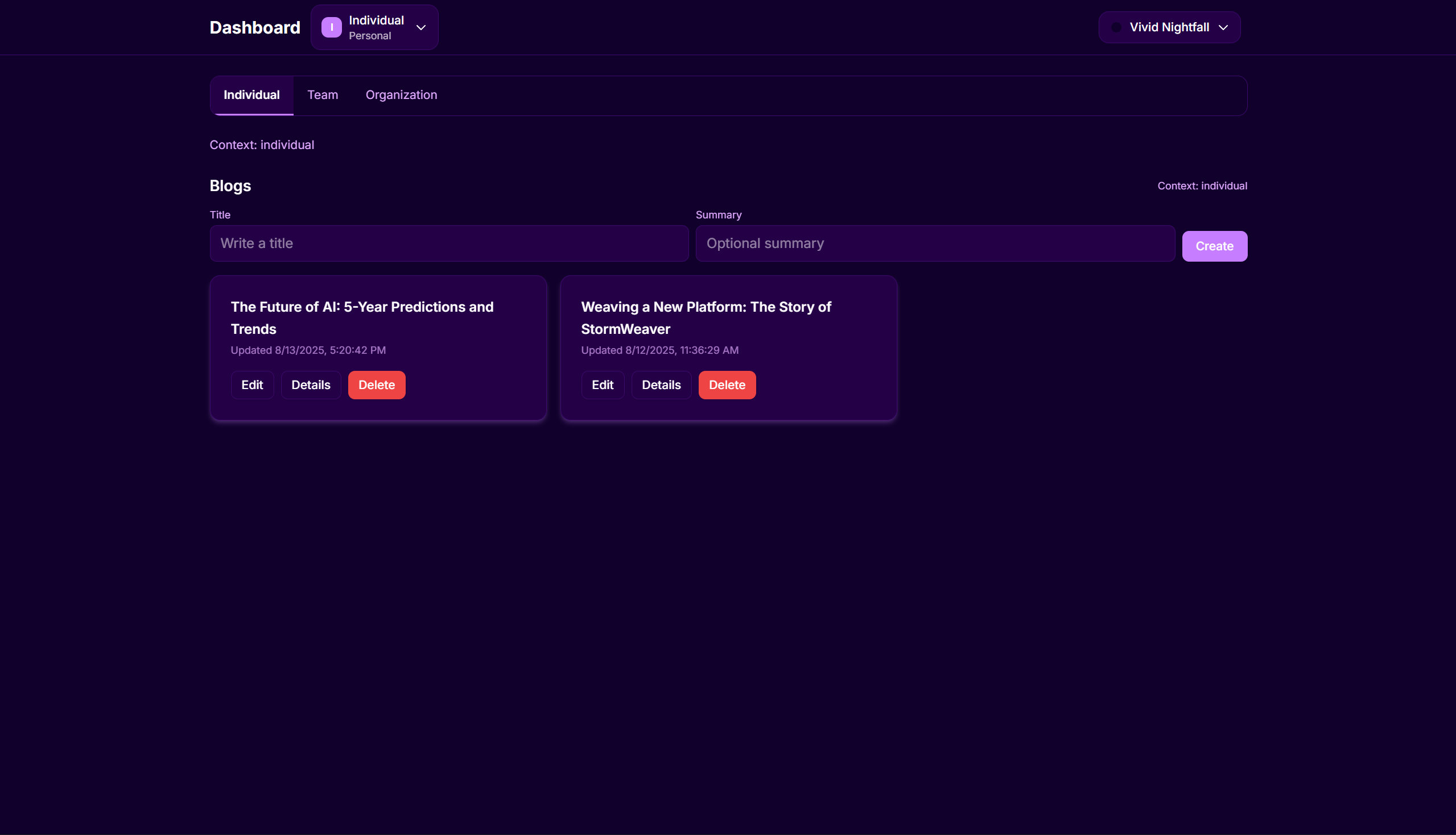
StormWeaver
A full-stack, private blogging and content management platform designed for performance and a clean user experience.
Why I built it
To create a custom, high-performance platform for content that I control completely, from the backend logic to the frontend rendering.
What I learned
Deepened my understanding of full-stack development, connecting a Python backend with a modern TypeScript frontend.
Outcome
A fully functional, private content platform that serves as a showcase for my full-stack capabilities.
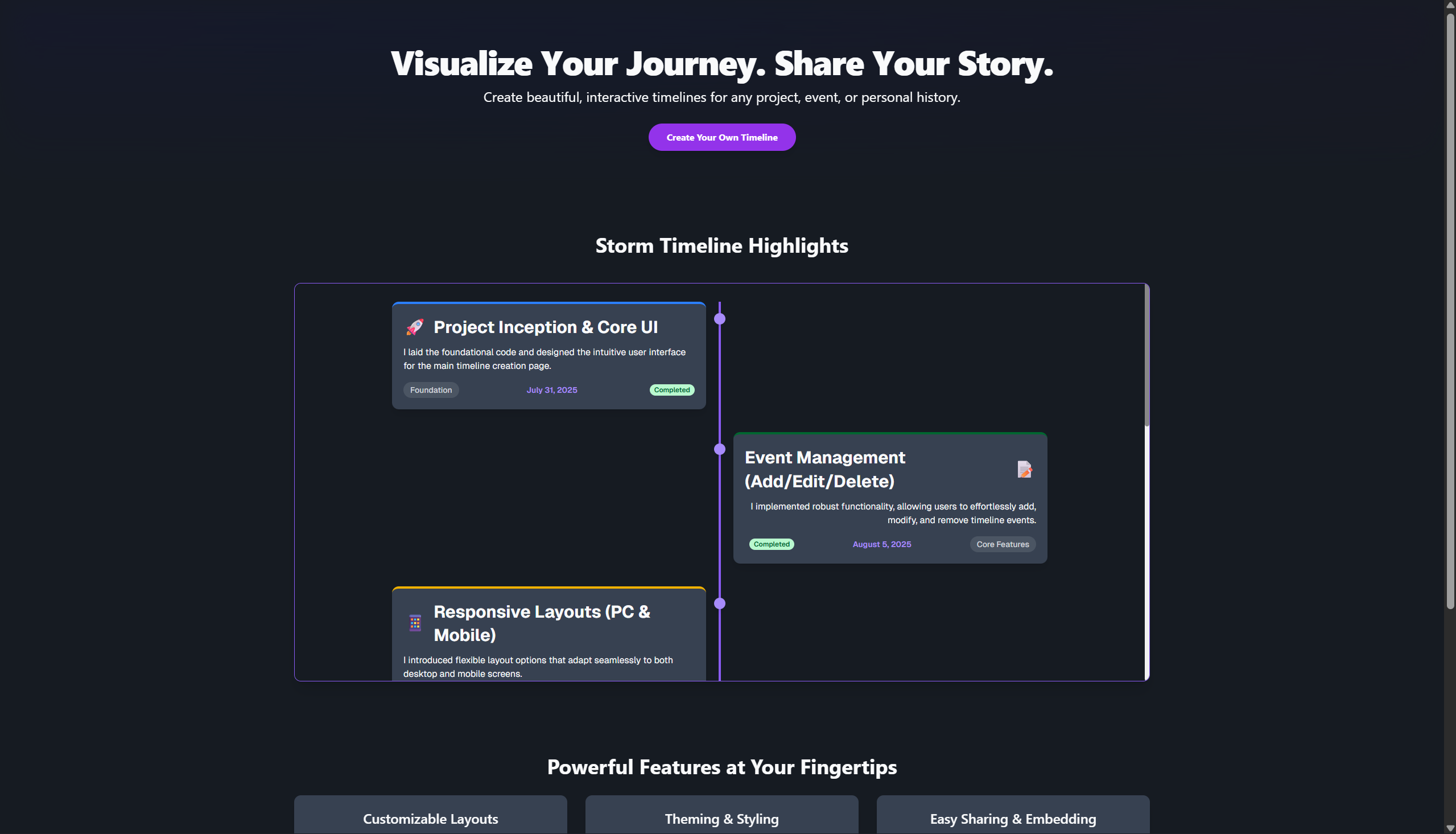
StormTimeline
A collaborative tool for creating and sharing beautiful, interactive timelines, featuring a Python API and a TypeScript frontend.
Why I built it
I wanted a visually appealing way to showcase project roadmaps and personal milestones that was more flexible than existing tools.
What I learned
Implemented real-time features and tackled the complexities of creating a dynamic, data-driven UI for timeline visualization.
Outcome
A reusable tool for creating embeddable, stylish timelines for any project or purpose.
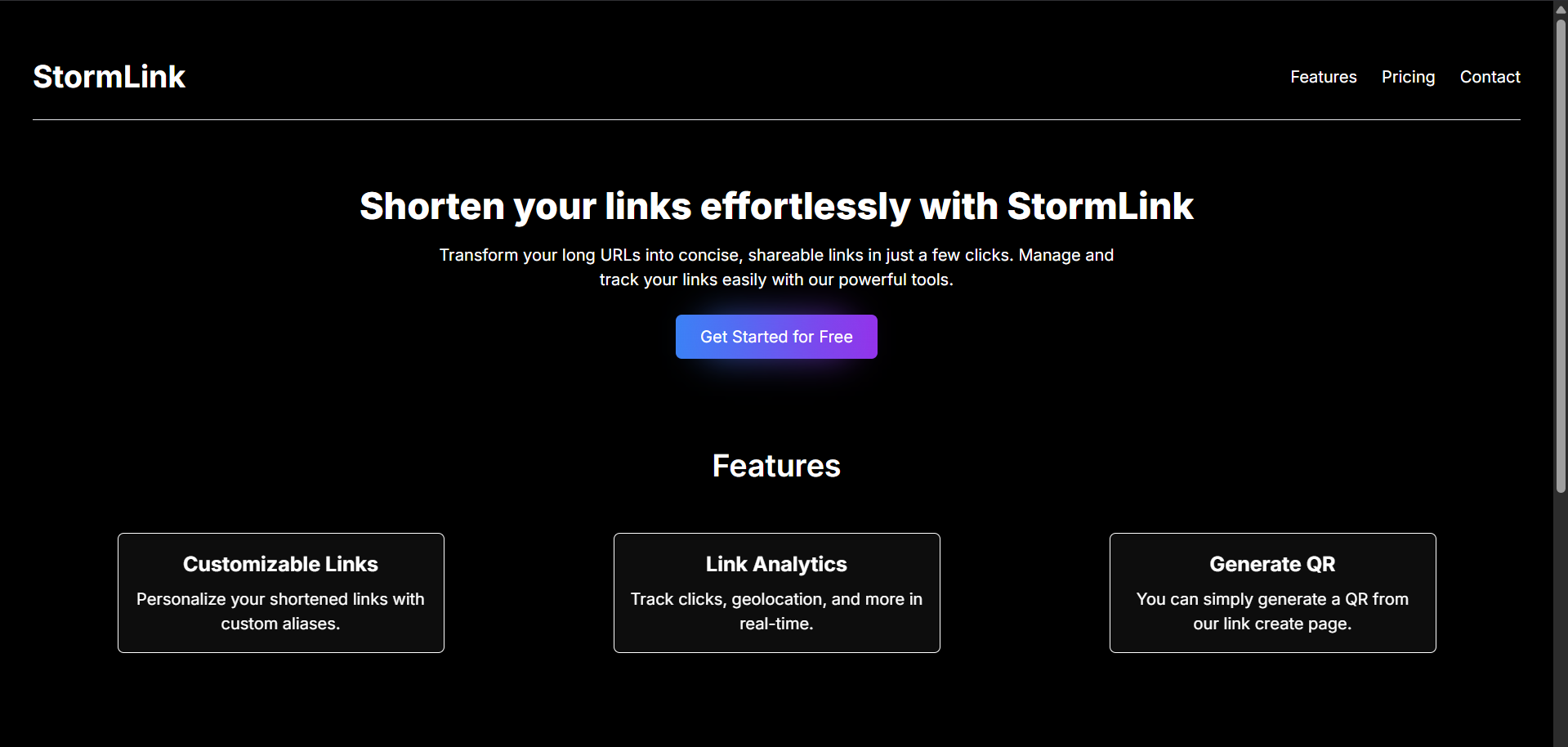
StormLink
A fast, ad-free URL shortener with built-in QR code generation, seamlessly integrated with Storm Auth.
Why I built it
I needed a personal shortlink system that was fast, ad-free, and didn't require a separate login.
What I learned
Developed custom shortener logic, integrated a QR generation library, and practiced secure integration with an external auth service.
Outcome
A clean, efficient tool for creating short links and QR codes, secured by my own authentication system.
StormLand
A custom 'new tab' page that acts as a personal dashboard and launcher for both desktop applications and websites.
Why I built it
To create a more productive and personalized start page than the browser default, with the unique ability to launch local apps.
What I learned
Explored OS-level integrations with Python to execute local commands from a web interface, blending web and desktop functionalities.
Outcome
A highly efficient personal launcher that streamlines my daily workflow by providing quick access to all my essential tools and sites.
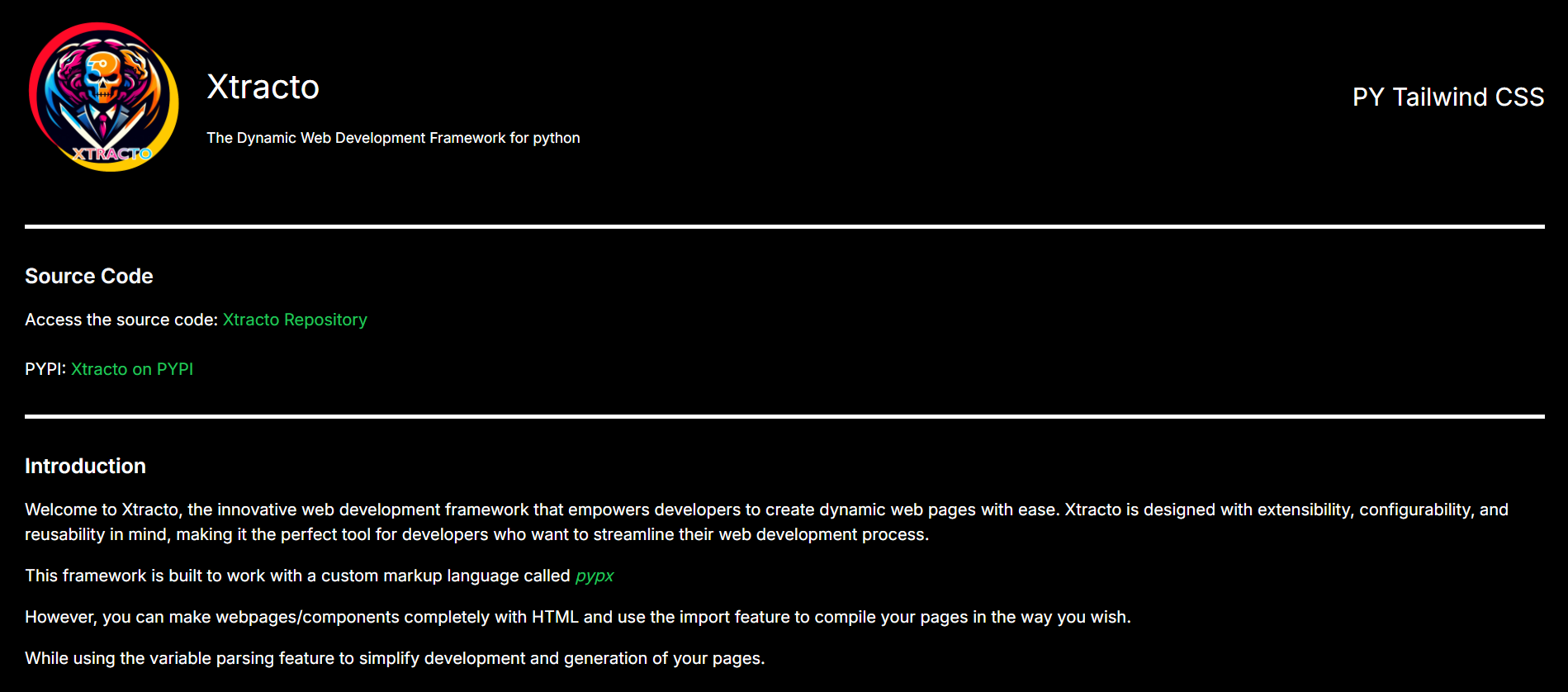
XTRACTO & PyTailwindCSS
A static site generator using a custom markup language `.pypx`, powered by a pure Python Tailwind CSS parser.
Why I built it
I wanted a lightweight way to build component-based static sites without the overhead of Node.js or npm.
What I learned
Designed and built a Domain Specific Language (DSL), a custom parser/compiler, and a Tailwind interpreter entirely in Python.
Outcome
A powerful, Python-native toolset that I use to build my own portfolio and other static sites with minimal configuration.
RequestEZ
A Python library that simplifies web scraping and provides a suite of utilities for parsing, AES encryption, and advanced logging.
Why I built it
To bundle my most frequently used helper functions for scraping and data processing into a single, easy-to-install package.
What I learned
Gained experience in structuring, documenting, and publishing a Python package to PyPI.
Outcome
A reusable, open-source library that accelerates the development of my other Python projects.
DB Dictionary
A Python module that simplifies database interactions by providing a familiar dictionary-like interface for MongoDB and MySQL.
Why I built it
To abstract away the boilerplate code of common database operations (CRUD) and make database interactions more intuitive and Pythonic.
What I learned
Designed a clean, high-level abstraction over multiple database drivers and published the package to PyPI.
Outcome
An open-source library that makes working with databases in Python faster and more readable.
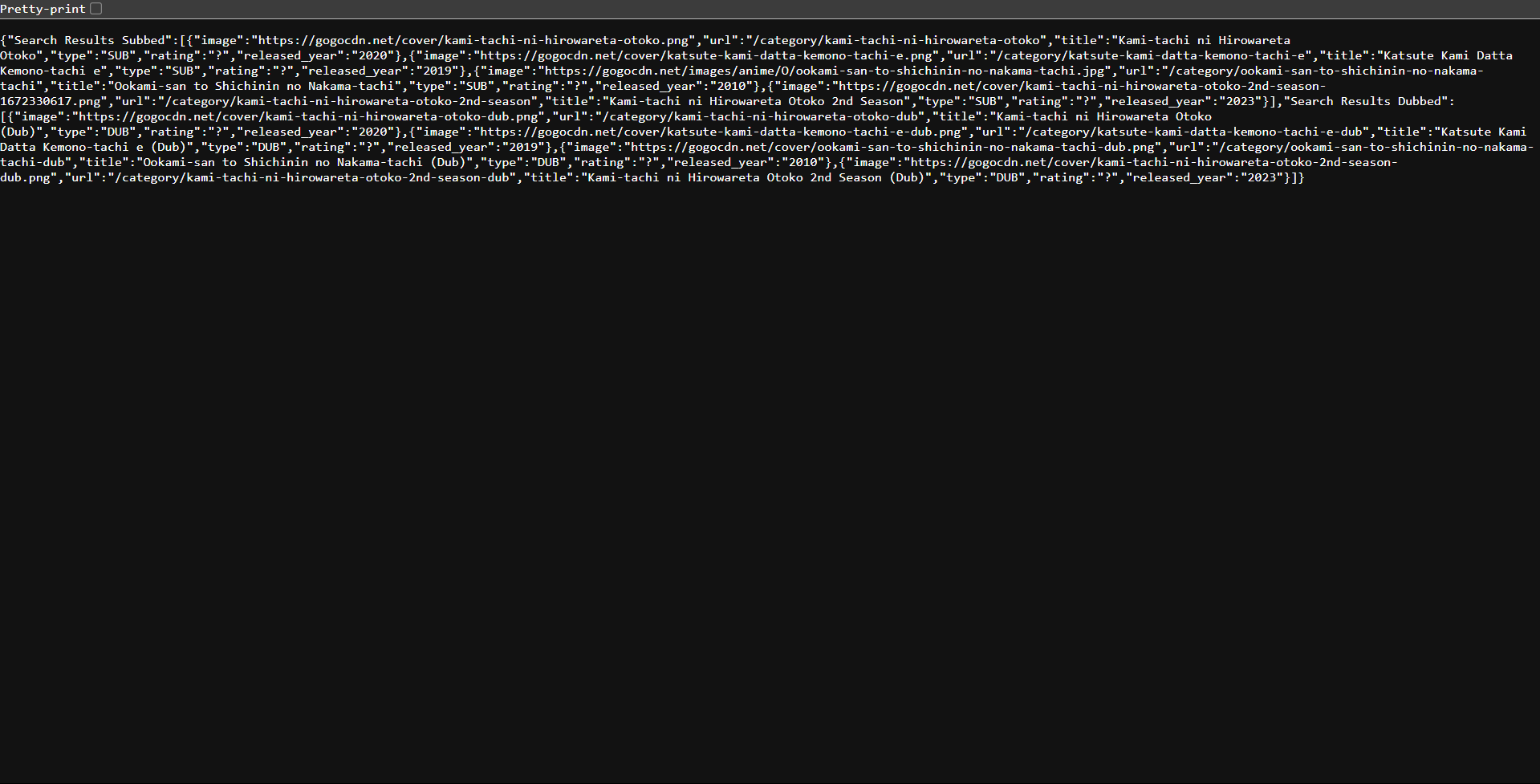
GOGO API
An unofficial scraping API for GogoAnime that extracts and serves data programmatically.
Why I built it
I needed a reliable backend API to fetch anime data for personal projects without dealing with ads or bloated websites.
What I learned
Built robust web scrapers with anti-bot protections and learned to handle rate-limiting and caching strategies.
Outcome
A popular open-source API that's easy to integrate with any frontend application for anime information.
m3u8-proxy-cors
A popular Python proxy server designed to handle M3U8 streaming files, a common format for online video.
Why I built it
To solve common CORS and access issues encountered when trying to stream M3U8 video content in web applications.
What I learned
Gained a deep understanding of HTTP proxies, streaming protocols, and handling binary data in a web server context.
Outcome
A highly-starred open-source tool that helps developers overcome challenges with video streaming.
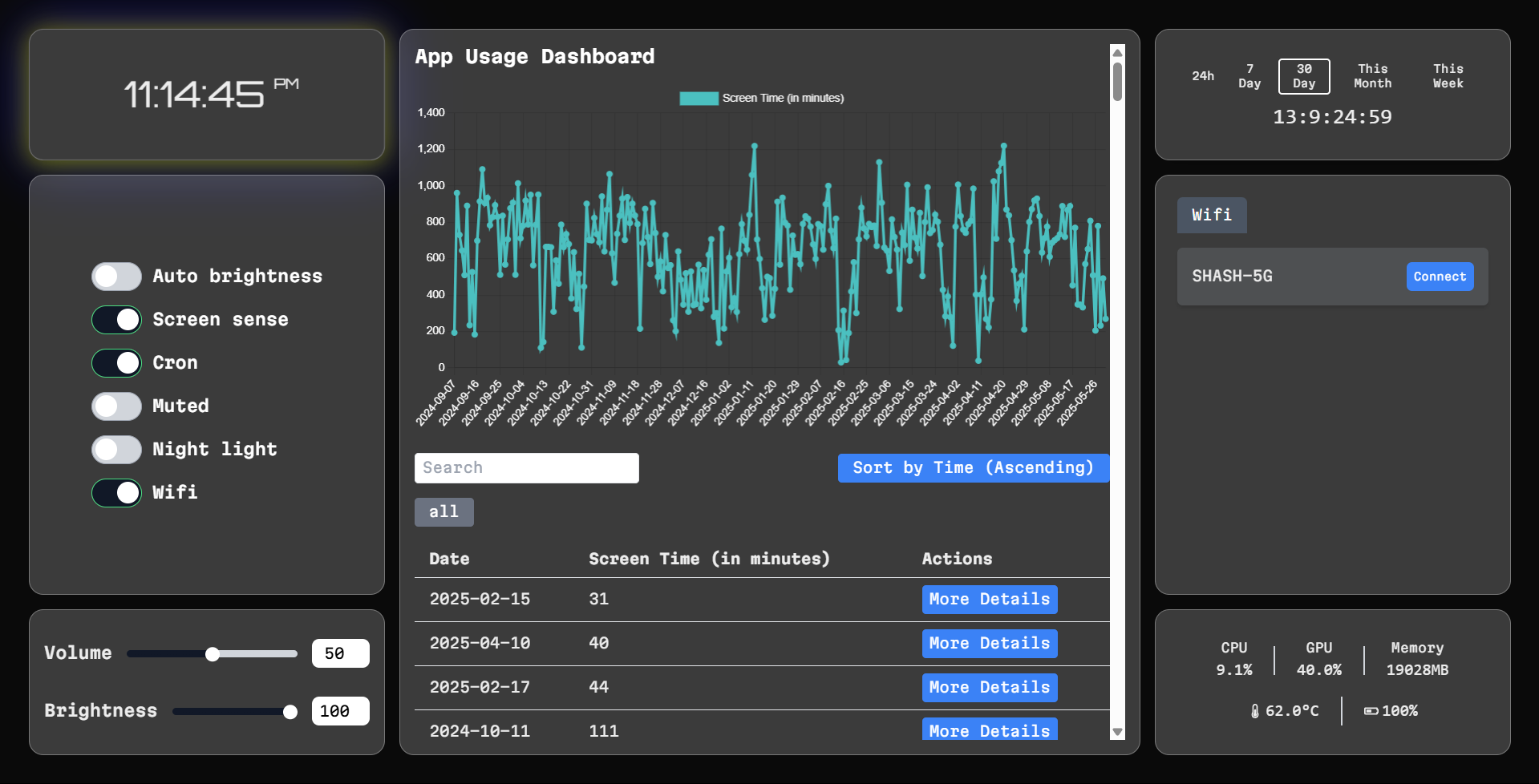
Screen Sense
A desktop app that tracks app usage on Windows and visualizes it via HTML dashboards.
Why I built it
I wanted to monitor and reflect on my productivity by tracking time spent across different applications.
What I learned
Worked with native Windows APIs through Python, implemented JSON logging, and generated data visualizations with web technologies.
Outcome
A personal productivity tracker that provides detailed, visual breakdowns of my application usage.